Table of Contents
ToggleHow to Clear a 20ft or 40ft Container in the Philippines
If you are bringing a 20ft or 40ft container into the Philippines, there are three things you must understand from the start:
Your container will not be released without proper customs clearance.Every day of delay increases storage and demurrage charges.
One wrong declaration can place your shipment on hold for weeks.These are not theory. These are the real problems importers face every day at Manila, Subic, Batangas and Clark ports.
This guide explains how container clearance actually works in the Philippines, in practical terms, so you can avoid costly mistakes.
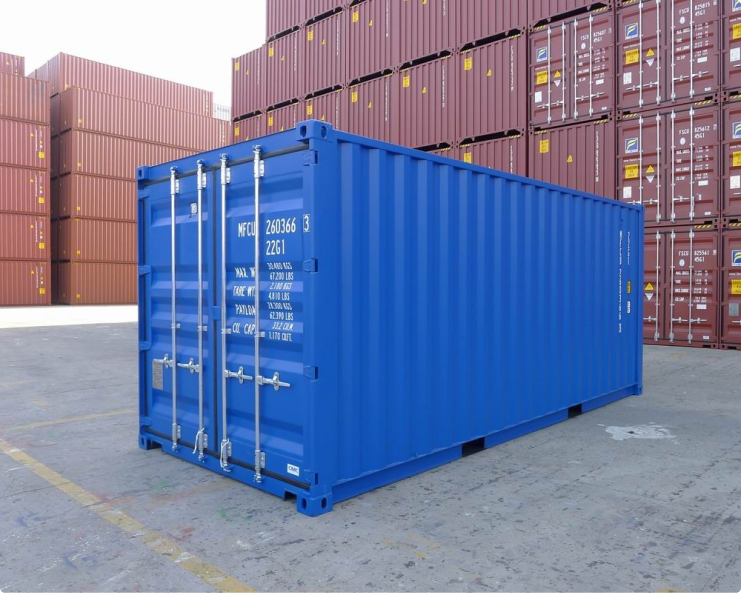
What Container Customs Clearance Means?
When a full container load arrives in the Philippines, it does not go straight to your warehouse. It first goes under the control of the Bureau of Customs. At that moment, your cargo is legally “on hold” until Customs confirms three things: what is inside the container, how much it is worth, and whether the correct taxes are paid.
This process applies whether you are importing machinery, construction materials, FMCG products, or mixed general cargo. The size of the shipment does not change the law, but larger containers attract more scrutiny, especially when values are high or when the cargo is mixed.
What happens when your container arrives at the port
Once your vessel arrives in Manila, Subic, or Batangas, your container is discharged and stored inside the port terminal. At the same time, Customs expects a full set of documents to be submitted through their system. These documents are not just paperwork — they are what Customs uses to decide whether your shipment can be trusted.
At this stage, the most important information is how your cargo is classified under the HS Code system. This determines your import duty and VAT. A wrong HS code is one of the most common reasons containers are delayed, especially for machinery and mixed cargo.
Why containers get delayed in Philippine customs
Most container delays do not happen because Customs wants to cause problems. They happen because something does not match between the documents and what is inside the container.
This could be a difference in declared value, an incorrect product description, missing permits, or simply a classification that looks suspicious to Customs. Once a container is flagged, it may be sent for X-ray or physical inspection, which can add days or even weeks to the clearance process.
This is why professional customs brokerage is critical for FCL shipments. Containers are high-value, and Customs treats them that way.
How long does container clearance normally take?
When documents are correct and the declaration is clean, a container can usually be cleared within a few working days. However, when inspections or document issues are involved, the process becomes unpredictable. Delays are not just inconvenient — they directly translate into port storage and demurrage charges.
Experienced importers understand that the real cost of clearance is not just duties and VAT. It is also the cost of lost time when a container sits at the port.
Why using a licensed customs broker matters
A licensed customs broker does more than submit paperwork. They understand how Philippine Customs evaluates risk, how port procedures differ between Manila, Subic, Batangas and Clark, and how to prevent small mistakes from turning into expensive delays.
For container shipments, especially those carrying machinery, construction materials or mixed cargo, this professional handling is what protects your shipment from unnecessary holds and penalties.
Need help with a container that is arriving or already at the port?
Click to Speak to a Licensed Customs Broker and get clear, professional advice on how your 20ft or 40ft container can be released as smoothly as possible.