Table of Contents
ToggleFCL Shipping from Asia to the Philippines: A Practical Guide for Importers
If you ship goods from Asia to the Philippines in a 20ft or 40ft container, you are using Full Container Load (FCL) shipping. This method gives you control over your cargo, protects high‑value goods, and works best for machinery, construction materials, FMCG products, and mixed general merchandise.
What many importers do not realize is that the real challenge of FCL shipping does not start at the origin port. It starts when the container arrives in the Philippines and enters the customs clearance process.
Understanding how customs clearance in the Philippines works for FCL shipments helps you avoid delays, control costs, and move your cargo to your warehouse faster.
How FCL shipping from Asia to the Philippines actually works
When a container leaves China, Korea, Japan, Vietnam, Thailand, or any other Asian origin, it is sealed and shipped directly to the Philippines. The container usually arrives at Manila, Subic, Batangas, or Clark, depending on the route and carrier.
Once the vessel berths, the container is discharged and transferred into the port terminal. At this point, it falls under the legal control of the Bureau of Customs. Even though the goods already belong to you, they cannot move until Philippine Customs approves their release through formal import customs clearance.
This is where many overseas exporters underestimate the process. Shipping is only half the journey. Customs clearance determines how fast your container actually reaches your door.
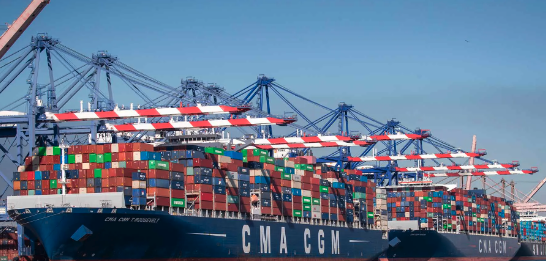
Why FCL shipments receive more attention from Philippine Customs
Full container loads usually involve higher cargo values and more complex declarations. A 40ft container filled with machinery, electronics, construction materials, or mixed products represents a much higher tax exposure than a small shipment. Because of this, Customs reviews FCL declarations more carefully.
Philippine Customs checks whether the HS codes match the goods, whether the declared value is realistic, and whether the documents are complete. When anything looks unclear, the container is more likely to be selected for X‑ray scanning or physical inspection.
This is why custom brokerage in the Philippines plays such a central role in FCL shipping. A well‑prepared declaration reduces the chance of inspection and speeds up the release of your container.
How HS codes and valuation affect FCL shipping from Asia
Every product inside your container must be classified under an HS code. These codes determine the import duty and how Customs views the risk of your shipment. Asian exports often cover a wide range of product types, especially when the container holds mixed cargo.
Philippine Customs also compares your declared values with global pricing. If the numbers look too low, Customs can impose a higher assessed value or ask for proof. This valuation process is one of the main reasons FCL shipments get delayed.
An experienced customs broker in the Philippines prepares HS codes and values in a way that matches how Customs actually enforces the rules, not just how suppliers describe the goods.
How customs clearance timing affects your FCL shipment
When documents are correct and the declaration is clean, many containers can clear within a few working days after arrival. When Customs selects a shipment for inspection, the timeline becomes longer and less predictable.
At busy ports such as Manila and Subic, inspection queues and document reviews can add several days. This is why FCL importers focus on prevention rather than reaction. Clean declarations and complete documents help your container move through Customs with fewer interruptions.
Why professional customs brokerage is essential for FCL imports from Asia
FCL shipping from Asia to the Philippines involves multiple risks: misclassification, undervaluation, missing permits, and inspection delays. A licensed customs broker manages these risks on your behalf. They file accurate declarations, respond to Customs queries, and guide your shipment through the clearance process.
For companies that import machinery, construction materials, FMCG, or mixed cargo in containers, this professional handling protects both your delivery schedule and your budget.
Planning an FCL shipment from Asia or already have a container on the way?
Getting expert guidance before or during the customs clearance process can save you time and money.
Use the WhatsApp button on this page to
Speak to a Licensed Customs Broker and get practical advice for your FCL shipment into the Philippines.