Table of Contents
ToggleStep-by-Step Customs Clearance Process in the Philippines for Full Container Load (FCL) Imports
If you are importing goods into the Philippines using a 20ft or 40ft container, it is important to understand that customs clearance in the Philippines is not a simple administrative task. It is a regulated legal process controlled by the Bureau of Customs, and every container shipment must go through formal import customs clearance before it can be released from the port.
Whether your cargo is machinery, construction materials, FMCG products or mixed general merchandise, the clearance procedure is the same in Manila, Subic, Batangas and Clark. The difference is how smoothly it goes, which depends largely on how your custom brokerage is handled.
How the customs clearance process in the Philippines begins when your container arrives at the port
When a container vessel arrives in the Philippines, your shipment does not automatically become yours to move. From the moment your container is discharged at Manila North Harbor, Manila South Harbor, Subic Port or Batangas Port, it is placed under the legal control of Philippine Customs.
At this stage, Customs expects a formal import declaration to be filed by a licensed customs broker. This declaration is the foundation of the entire customs clearance process in the Philippines. It contains the cargo description, the HS codes, the declared value, the country of origin and the tax computation.
This is where many problems begin. A wrong product description or an incorrect HS code can immediately trigger a Customs query, which places the container on hold even before inspection is scheduled.
Why HS codes, cargo valuation and declaration accuracy are critical in Philippine customs clearance
In custom brokerage Philippines, HS codes are not just numbers. They determine how much duty and tax you pay, and they tell Customs how risky your shipment appears.
For example, machinery, mixed cargo and construction materials are treated very differently from FMCG products. If your container contains multiple product types, Customs will look more closely at the declaration because mixed cargo increases the chance of misclassification.
Valuation is just as important. If Customs believes the declared value is too low, they can reject the declaration and demand additional proof or impose their own assessment. This is one of the most common causes of delays for FCL customs clearance in the Philippines.
What happens during customs assessment and why containers are often selected for inspection
After your customs broker submits your declaration, Philippine Customs runs the shipment through their risk management system. This system decides whether your container will be released automatically or selected for inspection.
Containers carrying high-value cargo, machinery, or mixed goods are more likely to be flagged. This is normal, but it means your shipment may go through X-ray scanning or physical inspection before it is approved for release.
When a container is selected for inspection, a customs broker must coordinate with port authorities and Customs examiners. If the documents do not perfectly match the cargo, the inspection can lead to further delays, penalties or even seizure in extreme cases.
This is why customs clearance Philippines is not something that should be handled casually, especially for full container shipments.
Payment of customs duties and taxes and how it affects container release
Once Customs accepts the declaration, they issue the assessment for import duties, VAT and any other applicable charges. These must be paid before the container can move to the release stage.
Many importers think that paying the tax means the process is finished. In reality, it only means your shipment is eligible for release. If any issue appears after payment, Customs can still hold the container.
A professional customs broker in the Philippines monitors this stage closely to ensure the container moves forward without unnecessary delay.
Final release of the container from Manila, Subic, Batangas or Clark ports
When all Customs requirements are satisfied, the container is cleared and the port terminal allows it to be released. At this point, your FCL shipment can be picked up by a truck and delivered to your warehouse or facility.
However, if clearance was delayed, storage and demurrage charges may already have accumulated. This is why experienced importers focus not just on clearance, but on fast and correct clearance.
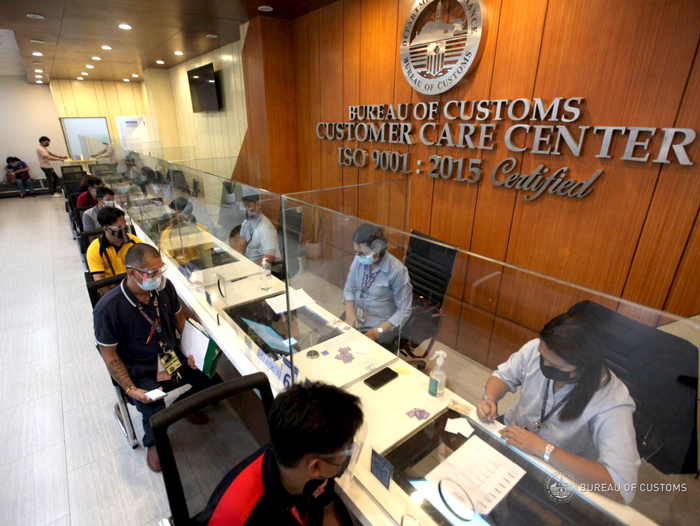
Why working with a professional customs brokerage in the Philippines protects your FCL shipment
For full container load shipments, mistakes are expensive. A single wrong HS code, missing permit or valuation error can turn into thousands of pesos in extra costs.
A professional custom brokerage Philippines service does more than submit documents. It ensures that your container, your cargo and your declaration align with how Philippine Customs actually enforces the law at the port level.
This is especially important for machinery, construction materials and mixed cargo, where inspections and re-assessments are common.
If you have a container arriving or already waiting at the port
The fastest way to avoid delays, penalties and unnecessary port charges is to speak directly with someone who understands customs clearance in the Philippines at an operational level.
Use the WhatsApp button on this page to
Speak to a Licensed Customs Broker and get clear, professional guidance for your 20ft or 40ft container shipment.