Table of Contents
ToggleHow to Import Machinery into the Philippines: Customs Clearance Guide
Importing machinery into the Philippines involves far more than booking a container and sending it to Manila. Machinery shipments usually arrive in 20ft or 40ft containers, carry high declared values, and face closer scrutiny from Philippine Customs than ordinary consumer goods. A single mistake in classification, valuation, or documentation can result in delays, re-assessment, or costly port charges.
If you plan to bring in production equipment, industrial machines, construction machinery, or specialized tools, you must understand how customs clearance in the Philippines actually works for this type of cargo.
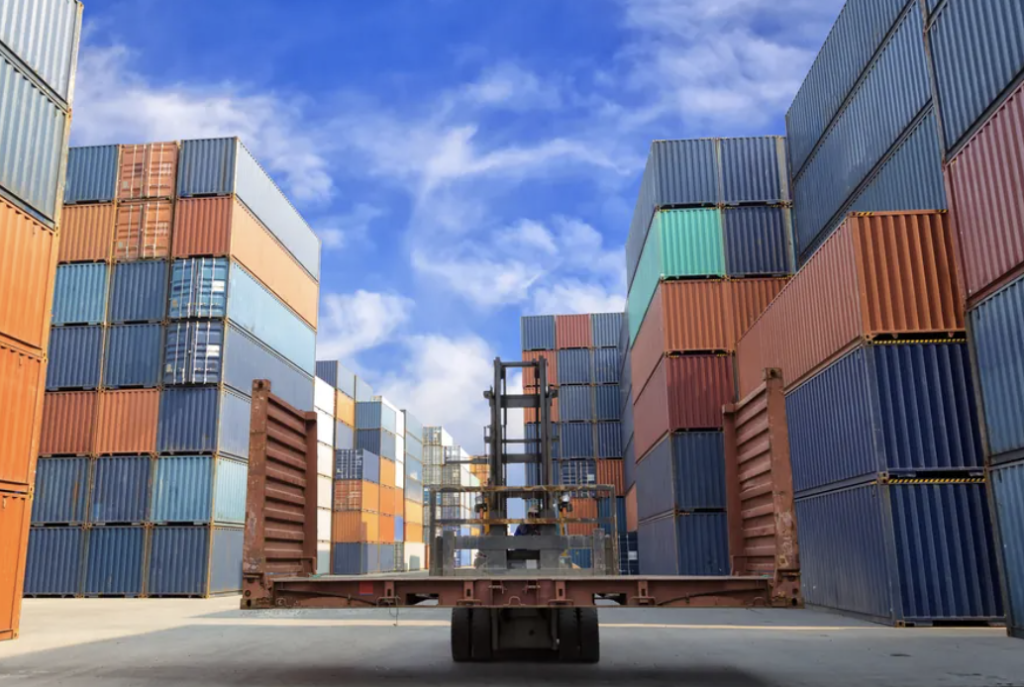
Why Philippine Customs treats machinery shipments differently
Machinery does not fall into a simple import category. Many machines are complex products with electrical, mechanical, and industrial functions. Each function affects how Customs assigns HS codes and import duties. Philippine Customs also tracks machinery imports closely because they involve higher tax amounts and greater risk of undervaluation.
For this reason, machinery shipments moving under full container load (FCL) shipping almost always receive more attention than general consumer goods. When a 40ft container contains heavy equipment or industrial machinery, Customs expects detailed and accurate declarations that match international pricing and classification standards.
How machinery containers move through customs clearance in the Philippines
When your container arrives at Manila, Subic, Batangas, or Clark, it is placed under Customs control. A licensed customs broker then files your import declaration through the Bureau of Customs system. This declaration includes the HS codes for the machinery, the commercial value, the shipping details, and the applicable import duties and VAT.
Customs reviews this declaration before deciding whether the container can be released or must go through further checks. If everything looks correct, you can pay the taxes and proceed toward release. If something appears unclear, Customs may request additional documents or order an inspection.
This process is why custom brokerage in the Philippines is critical for machinery imports. A well-prepared declaration often makes the difference between a fast release and a delayed container.
Why HS codes and technical descriptions matter for machinery imports
Machinery HS codes are not simple. Two machines that look similar can fall under different classifications based on their function, power output, or use. If the wrong HS code is used, Customs may apply the wrong duty rate or question the entire declaration.
Philippine Customs also compares your declared HS codes with your product descriptions. When descriptions are too generic or incomplete, Customs may assume the goods are being misdeclared. This increases the chance of inspection, especially for 20ft and 40ft machinery containers.
Professional customs brokers use HS codes that align with how Philippine Customs interprets machinery, not just how suppliers describe it.
How customs valuation affects machinery shipments
Machinery often has wide price ranges based on brand, capacity, and condition. Customs uses reference pricing to check whether declared values look realistic. When the declared price is too low, Customs may reject the value and impose their own assessment.
This valuation process is one of the biggest causes of delays in machinery customs clearance in the Philippines. A professional broker prepares supporting documents and realistic pricing so Customs can accept the declaration without dispute.
What happens during customs inspection of machinery containers
When Customs selects a container for inspection, officers verify that the machinery inside matches the declaration. They check the type of machine, quantity, and condition. If anything differs from the filed documents, Customs can impose additional taxes, fines, or clearance requirements.
Inspections take time and increase port charges. That is why professional custom brokerage Philippines services focus on reducing the chance of inspection by filing clean and accurate declarations.
Why experienced customs brokers are essential for machinery imports
Machinery imports involve technical classification, valuation, and regulatory compliance. A licensed customs broker in the Philippines manages these risks and coordinates with Customs so your container moves through the system efficiently.
For importers bringing in machinery for factories, construction projects, or industrial operations, professional customs brokerage protects your timeline and your capital.
Planning to import machinery or already have a container on the way?
Speaking with a licensed professional before your container arrives can save you days of delay and thousands in extra charges.
Use the WhatsApp button on this page to
Speak to a Licensed Customs Broker and get expert guidance for your machinery shipment into the Philippines.