Table of Contents
ToggleThe Definitions of International Shipping Regulations
Every country has different terms and conditions also operating under different regulations. When it comes to the logistics industry, it has different rules and regulations for every country as well. Fields of difference including prohibited goods, procedure form assessments and taxation that is created by the officials of the country you are going to export to or import from.
CARGO-PH have 30 years of experience when it comes to dealing with rules and regulations also understanding import and export. As business owners who are looking for reliable brokerage to serve your logistics issue, firstly you have to understand on your own about the rules and regulations also the procedure to import and export in the Philippines.
Understanding the Logistics Chain in Manila
Manila, the bustling capital of the Philippines, also named as the most crowded port in the South East Asia. Logistics in Philippines is coupled with its dynamic economy, presents both remarkable opportunities and formidable challenges for logistics companies. CARGO-PH stands in the market to serve all the companies inside and outside of the Philippines.
Strategic Geographic Positioning
CARGO-PH leverages Manila’s strategic location to enhance logistical connectivity. The Port of Manila, being one of the busiest in Southeast Asia, acts as a critical hub for international shipping lines. This centrality allows CARGO-PH to provide swift and seamless forwarding services, ensuring that cargoes reach their global destinations via the most efficient routes.
Leveraging Local Expertise
CARGO-PH’s team of logistics specialists bring forth an invaluable asset—local expertise. Their extensive knowledge of Philippine customs and regulations ensures that all compliance requirements are met with precision. This expertise is pivotal in facilitating smooth customs clearance, preventing bureaucratic snarls that can impede the flow of trade.
Building Resilient Supply Chains
CARGO-PH is not just a freight forwarder but a builder of resilient supply chains. By employing risk assessment tools, real-time data analytics, and contingency planning, CARGO-PH fortifies its clients’ supply chains against disruptions. Whether it’s a typhoon, a global pandemic, or a sudden shift in market demand, CARGO-PH’s proactive strategies are designed to maintain stability and continuity.
Key Takeaway
- Business owners will obtain the knowledge to select their preferred brokerage in the Philippines.
- The saturated sectors in the industry of logistics and the rules and regulations in the Philippines.
- Understanding types of document is needed to prepare for international export and import in the Philippines.
CARGO PH - Navigating Customs and Compliance
Customs and compliance is a broad topic, but for sure CARGO-PH will shorten and simplify it as much as possible just to ensure our clients going with us will not face any unfortunate circumstances with our services and professionalism.
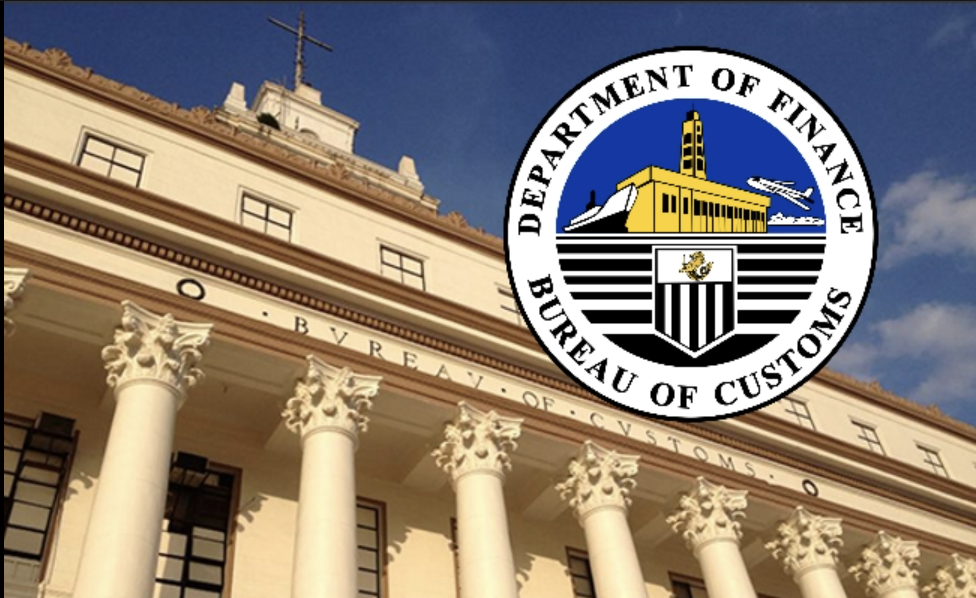
The Philippines’ Bureau of Customs (BOC) is tasked with regulating and facilitating international trade, collecting customs revenue, preventing and suppressing smuggling, and ensuring trade security. It is a formidable gatekeeper, enforcing a myriad of regulations that businesses must navigate. CARGO PH’s customs brokerage service simplifies this task, guiding shipments through the process with expertise and efficiency.
There will be forms to fill up and bills to provide to both sides, logistics company and customers to prove the product isn’t illegal, prohibited, or restricted in the country. Bills such as bills of lading, those bills are definitely needed to ensure you have the rights to import into the Philippines.
For export, the Bureau of Customs in the Philippines also needs several documents to approve your containers, which CARGO-PH comes in to ensure everything will be safe and smoothen with their help, customers just have to bare the bills and stay calm with their containers.
Risks and Challenges in Manila's Freight Forwarding
Every business has a risk, including logistics brokerage who serves 30 years in the industry like us, but do not forget, we do things safely and in terms of professionalism, all the risk and challenges will be bare by our own cost to our clients.
When it comes to import and export there are always documents to prove, when it comes to containers having some issues as an example, we brokerage always will have certain documents to prove the product isn’t spoiled while stored up in the containers, so that both logistics brokerage and businesses not needed to bare any single cost of the spoilt product and so on.
This is not a strategy of how we guarantee there’s no risk, this is the importance of the import and export documents to proceed a container in the logistics sector.
Documents to Process
Below will list the documents required to proceed:
Import in the Philippines
Commercial Invoice
Bill of Lading (for sea freight) or Air Waybill (for air freight)
Certificate of Origin
Import Permit
Customs Import Declaration
Packing List
Import License (if applicable)
Duties and Taxes Payment Proof
Inspection Certificate (if applicable)
Phytosanitary or Sanitary Certificate (for agricultural products)
Export out of the Philippines
Commercial Invoice
Bill of Lading or Air Waybill
Certificate of Origin –
Export License (if applicable)
Customs Export Declaration
Packing List
Proof of Payment of Export Taxes and Duties (if applicable)
Export Permit (for certain goods)
- Inspection Certificate (if needed)
Choosing the Right Freight Forwarder in the Philippines
Again, although it’s repetitive in the site but this is a very important topic to be repeated, I don’t mind repeating 5000 times about this topic because it’s very important for customers knowing who are they working with.
We CARGO-PH always guarantees the best customer support also professionalism, providing you tracking code of your shipments from destination A to Philippines or Philippines to destination B which is what you named as import or export goods in or out of the Philippines.
There are certain company that already built themselves a tycoon namesake out there, yet there are companies out there that can’t even ship a container on their own needing people to process it for them, but for us, we only conduct business to those who understand and yet we can fulfill their needs and wants, needs and wants is the reason why our customer are being so supportive all the time.
Conclusion
Regardless of the shipment, freight forwarding, and logistics-related industry, these are already recognised by the locals that the market is very saturated even when it comes to the international market, so to choose your preferred brokerage for more information it’s easy, the more experience in the industry is already one of the green flags that you can go for it.
Not to say the new company isn’t reliable, but for international business and management wise, going for high reviews company is always better than going for companies that are too new in the industry just to ensure the operation is smoothen to every business that needs import and export.